20 Points on How to Identify High-Quality Caviar
January 14, 2026

The taste and texture of caviar are a direct reflection of the growing environment. When water, time and processing are in balance, nothing needs to be added or emphasised. Good caviar is the logical result of the right choices.
Quality caviar is visually uniform and dense, silky creamy in texture and with a clean and balanced taste. Transparent origin and correct labelling and packaging are extremely important, ensuring the product’s honesty and quality.
Below we present 20 points by which it is possible to distinguish truly quality caviar.
- Caviar eggs are uniform, homogeneous and of the same colour tone. There are no broken or crushed eggs in the jar.
- Structure is dense – caviar stays in place in the jar and does not sink or flow even when the jar is tilted.
- Spoon test shows cohesion: caviar stays on the spoon as a unified mass and does not run apart.
- Oil must not accumulate at the bottom of the jar. Excessive oil indicates a quality compromise.
- Smell is clean and neutral. A fishy or marine smell indicates low quality, an old product or a counterfeit.
- Mouthfeel is key: visually grainy caviar melts in the mouth into a uniform creamy mass. There should be no graininess felt in the mouth.
- Classic back-of-hand test: the oil layer remaining on the skin should not smell unpleasant or fishy.
- Temperature reveals quality. At room temperature, good caviar becomes even richer and more umami, while poor caviar reveals bitter or chemical aftertastes and other flavour deficiencies.
- Bitterness is not acceptable – it indicates a disrupted temperature regime or an old product.
- Acidity, even when only slightly present, is a clear sign of spoilage and means the product should not be consumed.
- Package safety seal (quality seal) must be intact and factory-applied. Its absence indicates possible unofficial repackaging.
- Packaging is always done under vacuum. A bulging lid or absence of vacuum indicates spoilage or other potential defects.
- Traceability (CITES code on label) is mandatory and shows the species, origin and specific batch. Without this, we are not dealing with a proper product; for some reason, the seller is trying to hide the actual origin and product.
- Price reflects reality – caviar is never cheap. Caviar is resource-intensive, strictly regulated and close to handcrafted. If the price is unrealistically low, there is always a reason – a compromise in quality, origin or honesty. For authentic and traceable caviar, neither quality nor authenticity should be expected below €500/kg.
- Texture must not be rubbery or tasteless. Very beautiful but lifeless roe indicates “milked” caviar, which is the lowest quality class.
- Pasteurisation is not an indicator of poor quality today. Gentle pasteurisation helps preserve caviar’s properties without sacrificing taste.
- Metal packaging must not impart a metallic taste. A metallic note indicates an old product or one with oxidised fats.
- Glass jar often indicates a lower quality class, but allows visual assessment of contents – caviar must not be liquid or excessively oily.
- Salt content: quality caviar is never salty. Salt content remains at a maximum of 3%.
- Liquid: if after opening the caviar jar there is visually what appears to be a liquid spot on the product’s surface, this indicates a product that will soon spoil.
Want to learn more?
Explore articles about seafood origins, sustainable fishing, science, and longevity. Deepen your understanding of the ocean's treasures.
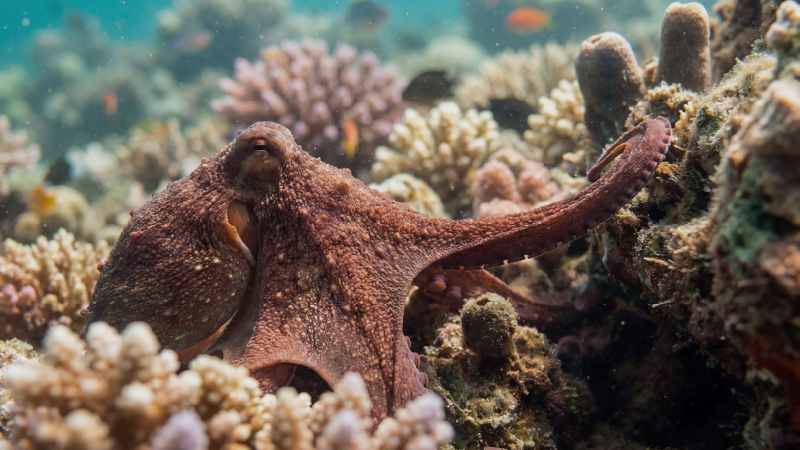
How to Identify High-Quality Octopus
Octopus is a seafood that creates many conflicting experiences. Some consider it a delicacy –…
January 14, 2026
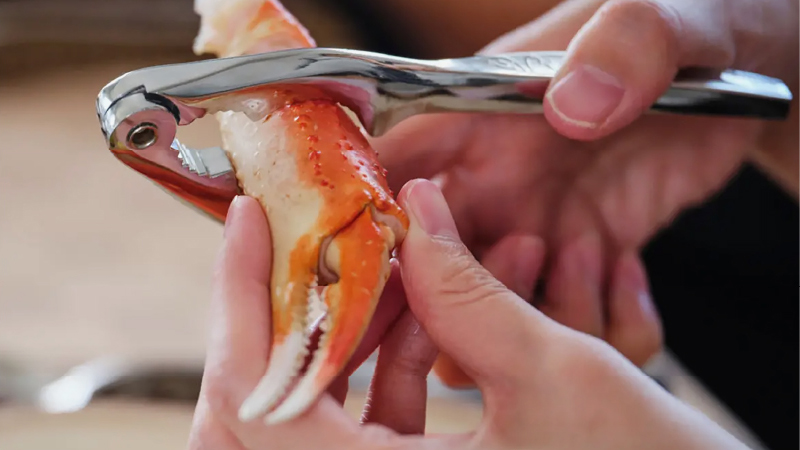
Snow Crab is a Healthy, Sustainable and Delicately Flavoured Delicacy
Snow crab is a true world traveller, finding its way into traditional Japanese dishes as…
January 14, 2026
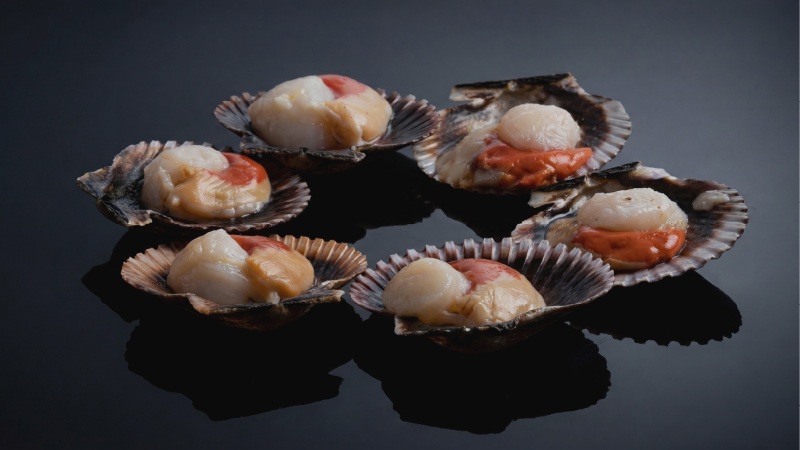
Scallop – Simple Fast Food That Needs No Complex Techniques
Scallop is one of those seafoods surrounded by unwarranted reverence. It is considered “fancy”, as…
January 14, 2026