Snow Crab is a Healthy, Sustainable and Delicately Flavoured Delicacy
January 14, 2026

Snow crab is a true world traveller, finding its way into traditional Japanese dishes as well as Scandinavian-style creamy soups. It is highly prized in the fine dining world, where its sweetness and silky texture allow for unique culinary experiences.
In a home setting, snow crab can transform any dinner into a festive occasion, where the right presentation style, suitable wines or cocktails, and creative ideas bring out the best qualities of this seafood. It is no wonder that snow crab is the undisputed favourite of many food enthusiasts – it is a luxury that is accessible in any kitchen when you choose quality ingredients and prepare them with care and love.
What is Snow Crab and Where Does It Come From?
Snow crab belongs to the genus Chionoecetes, and its habitats are primarily the cold northern sea regions, such as the North Atlantic and North Pacific. Snow crab is characterised by its slightly sweet and delicate meat with a white-toned flesh that
resembles fresh snow in texture – hence the name.
How to Identify Quality Snow Crab?
Colour and shell – Quality crab legs have a uniform outer shell colour, usually light or orangish. Dull, stained or unusually pale legs may indicate excessive processing or prolonged storage.
Meat consistency – Proper snow crab meat is dense and firm, yet soft in the mouth. If the meat feels “rubbery” or too dry, it may indicate overcooking or poor quality.
Smell – Fresh snow crab has a light ocean scent but should not smell unpleasantly “fishy” or “stale” – such odours indicate degraded quality.
Frozen vs fresh snow crab – what is the difference?
Fresh snow crab is primarily available directly during fishing season and is ideal for those living near fishing or processing locations.
Frozen snow crab is usually caught, cooked and flash-frozen at sea, ensuring maximum freshness and quality preservation. The frozen variant is easy to transport and maintains its nutritional value and taste over longer periods. Many seafood lovers actually prefer flash-frozen crab, as it avoids the risk of fresh crab sitting too long in the supply chain.
Is Snow Crab a Sustainable Choice?
Generally, the snow crab population is not considered endangered, but due to climate change and rising water temperatures, fishing companies and researchers remain vigilant to manage stocks sustainably. Regulated fishing and science-based research help ensure that snow crab populations can recover and remain stable in the future.
What responsible choices can consumers make?
Be aware of fishing time and region – Prefer products that clearly show the fishing region and where sustainable fishing rights are guaranteed.
Order exactly the amount you need – Reduce food waste by purchasing only as much as you actually need at one time.
Why Snow Crab is the Ideal Choice for Health-Conscious People
A low-calorie, high-protein superfood
Snow crab is an excellent source of protein and contains fewer calories and fat compared to many other meats. This makes snow crab a delightful yet easily digestible component of a healthy menu.
Omega-3 fatty acids and their effects on the brain and heart
Seafood, including snow crab, contains abundant omega-3 fatty acids, which are known for their beneficial effects on the cardiovascular system and brain function. Regular consumption of omega-3 fatty acids is associated with lowering blood pressure, reducing inflammatory processes and improving brain activity.
How snow crab fits into fitness nutrition
- High protein content supports muscle recovery and growth after training.
- Healthy seafood like snow crab provides vitamins and minerals (B12, zinc, selenium) that support the immune system and cell renewal.
- Quality nutrients, vitamins and minerals that are easily absorbed by the body make snow crab a truly functional food.
- Thanks to its protein content, snow crab helps keep you fuller for longer, reducing the risk of overeating.
Snow Crab in Everyday Cooking
Snow crab is a true seafood pearl. It is a rich source of vitamins, minerals and complete protein. It is equally suited for preparing gourmet dishes as well as simple but nutritious everyday recipes. Sustainably caught and properly frozen snow crab ensures both environmental care and a taste experience that delights every seafood lover.
If you are interested in adding snow crab to your menu, be sure to research the product’s origin and choose quality-processed frozen snow crab. This way you can enjoy this luxurious yet healthy seafood at any time, regardless of the season.
Want to learn more?
Explore articles about seafood origins, sustainable fishing, science, and longevity. Deepen your understanding of the ocean's treasures.
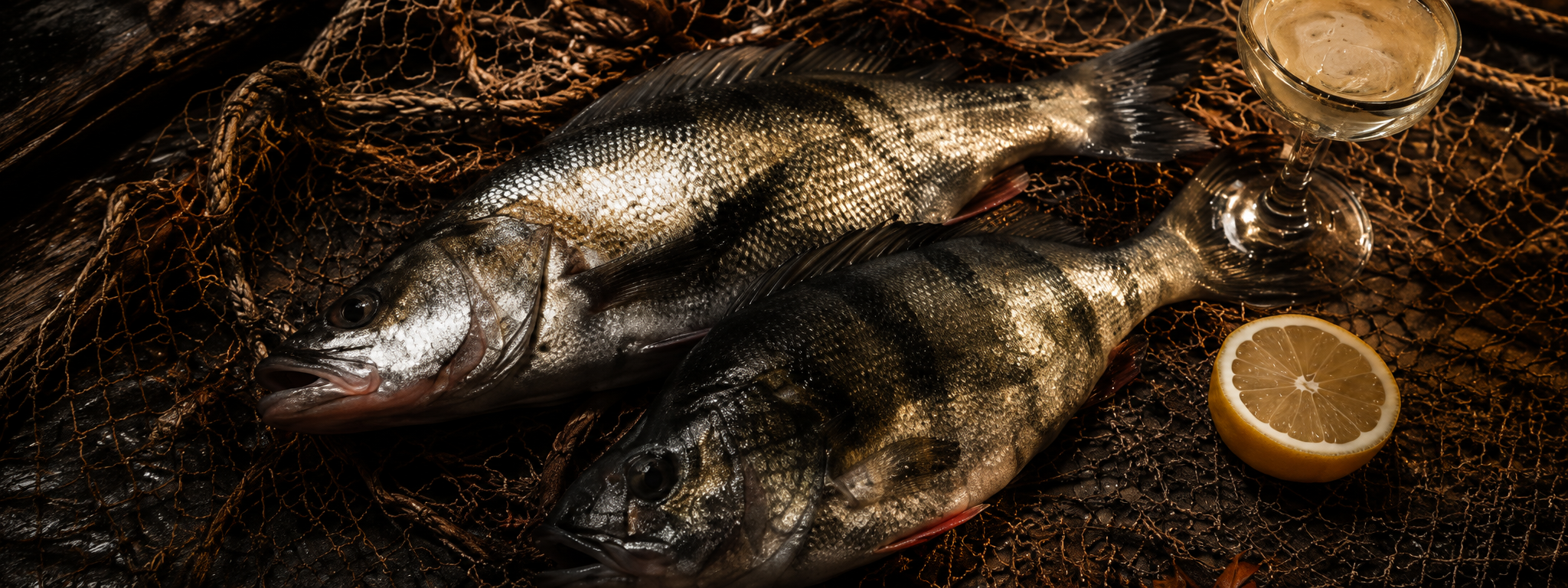
Perch and Pike-perch. Two Baltic Lake Fish Whose Value Deserves Reconsideration
Baltic lake perch and pikeperch are caught here, but a large portion of this fish…
January 14, 2026
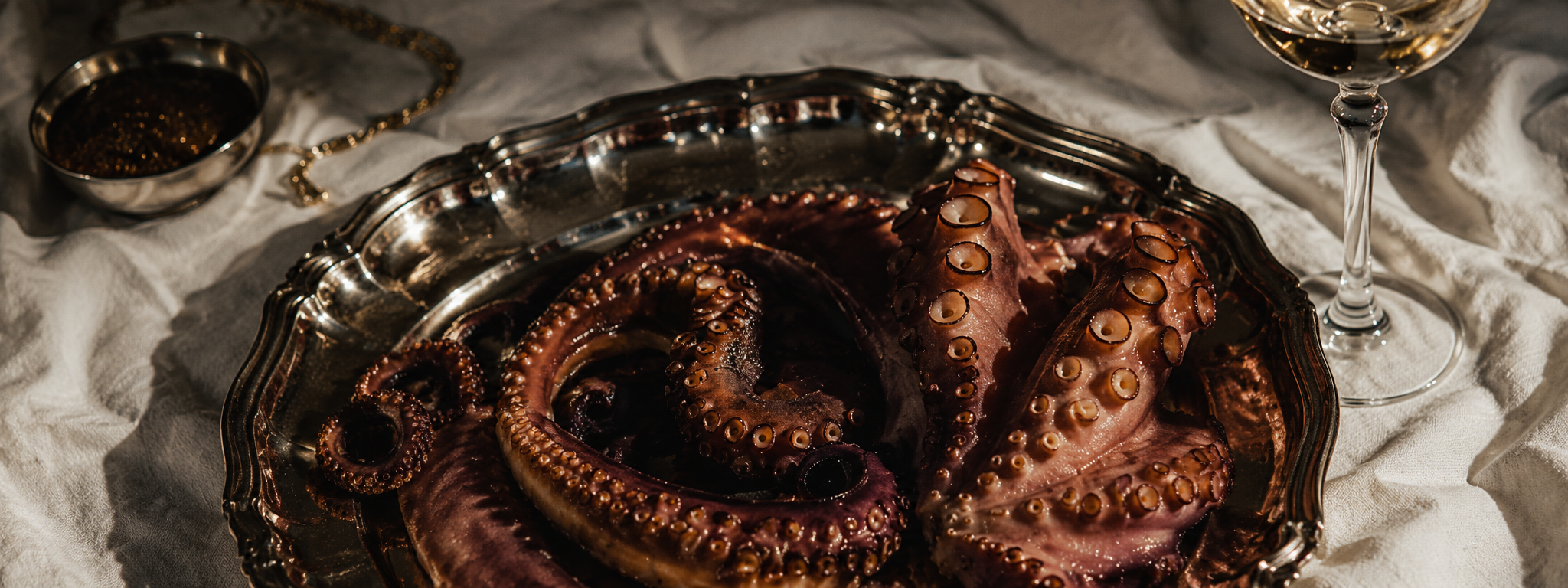
How to Identify High-Quality Octopus
Octopus is a seafood that creates many conflicting experiences. Some consider it a delicacy –…
January 14, 2026
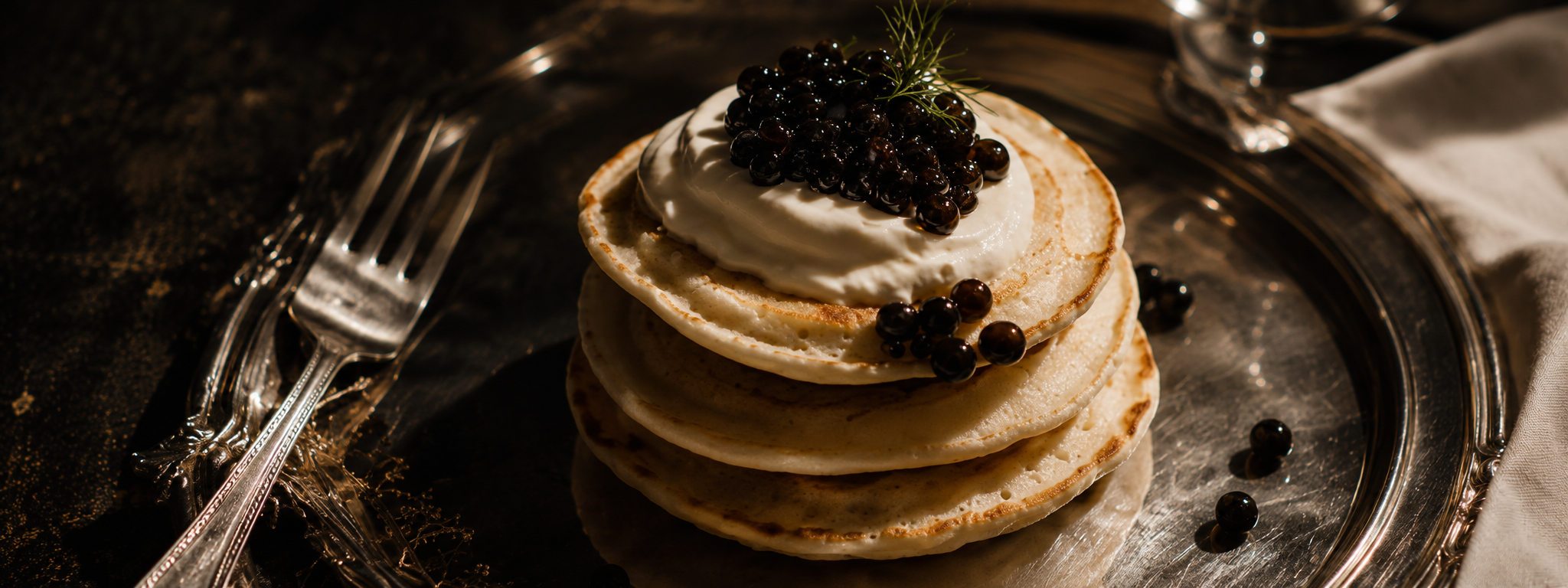
Caviar Without the Myths
Caviar is often treated as a luxury product or a festive table element. At the…
January 14, 2026