Perch and Pike-perch
January 14, 2026
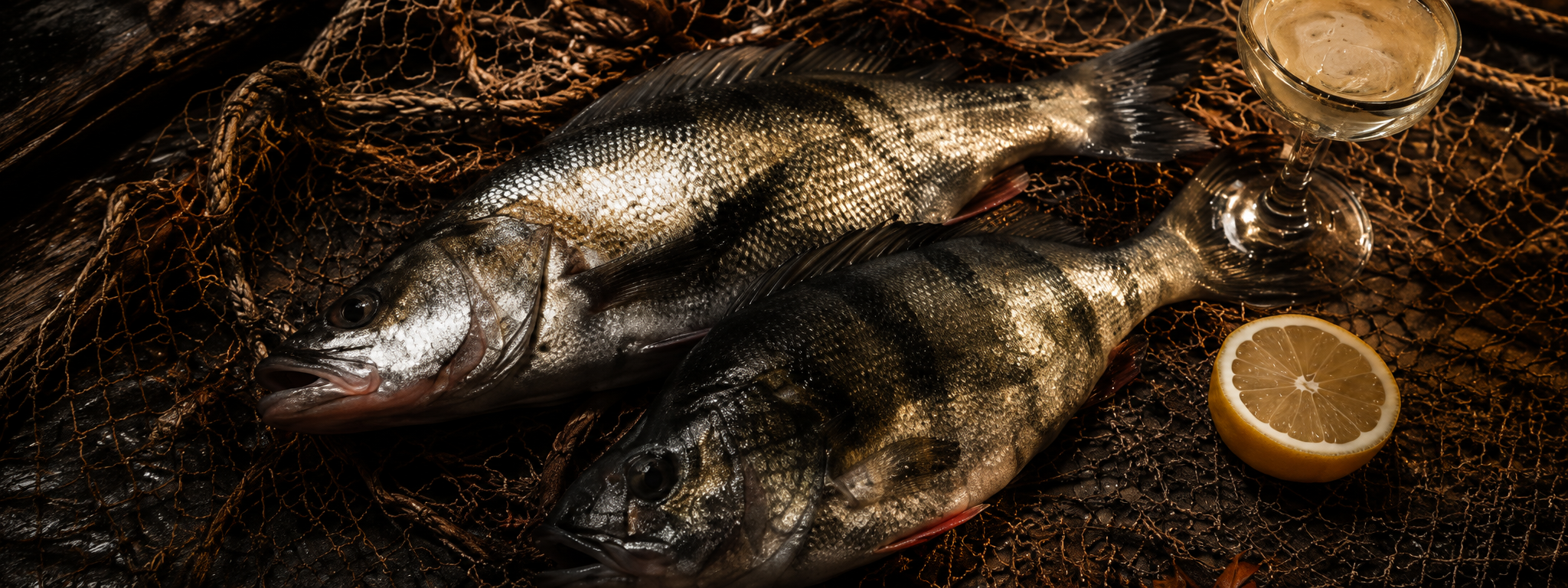
Baltic lake perch and pikeperch are caught here, but a large portion of this fish does not remain in local markets. It moves on to European kitchens, especially Switzerland, where clean flavours and the neutral elegance of raw ingredients are valued. Meanwhile, these fish have often become undervalued locally.
This creates a paradox. Fish that is “ordinary” for us is highly valued elsewhere precisely because it does not demand attention through forcefulness. Its value lies in balance, purity and the ability to let the raw ingredient speak for itself. Just as with fish roe, the question here is not about exoticism but about quality that is only recognised when the eye and palate have learned to distinguish.
Origin and Environment
Perch and pikeperch come from cool freshwater bodies where growth is slow and stable. The large lakes of the Baltic region provide naturally suitable conditions for these fish. Such an environment creates a flesh structure that is dense, clear and without excessive fattiness.
Slow growth means that the flavour is not aggressive or watery. The texture is clean and well suited for quick heat treatment.
Perch – Delicate and Quick
Perch is by nature a very delicate fish. Our region’s perch do not grow large quickly and their fillets are small, usually 10–40 grams.
Perch meat is soft and airy. It is best suited for quick preparation in a hot pan, where the fish receives short heat treatment and remains juicy inside. Long cooking times or smoking obscure perch’s true strength, which is its natural texture.
Perch is filleted by hand. This is precise and time-consuming work because the fish itself is small and each fillet is different. This is precisely what makes perch an ingredient that does not fit the logic of mass production but works excellently in quality-focused kitchens.
Pikeperch – Firm and Universal
Pikeperch is related to perch but different in character. It is a larger fish with more muscular and structured flesh. The pikeperch fillet is thicker and the muscle fibres are clearly distinguishable.
This makes pikeperch a very reliable ingredient. It tolerates different preparation methods better and is more forgiving than perch. Pikeperch is suitable for pan, oven and grill, and maintains its shape even when cooking time is slightly longer.
Pikeperch’s great strength is its clean white meat. The flavour is neutral and clear, which allows it to be used both very simply and in a more flavourful context.
Why These Fish Are Valuable Today
Perch and pikeperch are not alternatives to salmon or compromises. They are independent ingredients that suit today’s kitchen well, where clean raw ingredients and simple preparation are valued. The flavour is clear, the texture clean, and the fish does not need strong seasoning or complex techniques to stand out.
This is precisely why these fish suit both everyday meals and conscious food culture. Good perch or pikeperch cooks quickly, maintains its structure and allows what is important to come forward. When the raw ingredient is quality, little is enough.
These are not fish for a special day. These are fish that belong back on the everyday table.
Want to learn more?
Explore articles about seafood origins, sustainable fishing, science, and longevity. Deepen your understanding of the ocean's treasures.
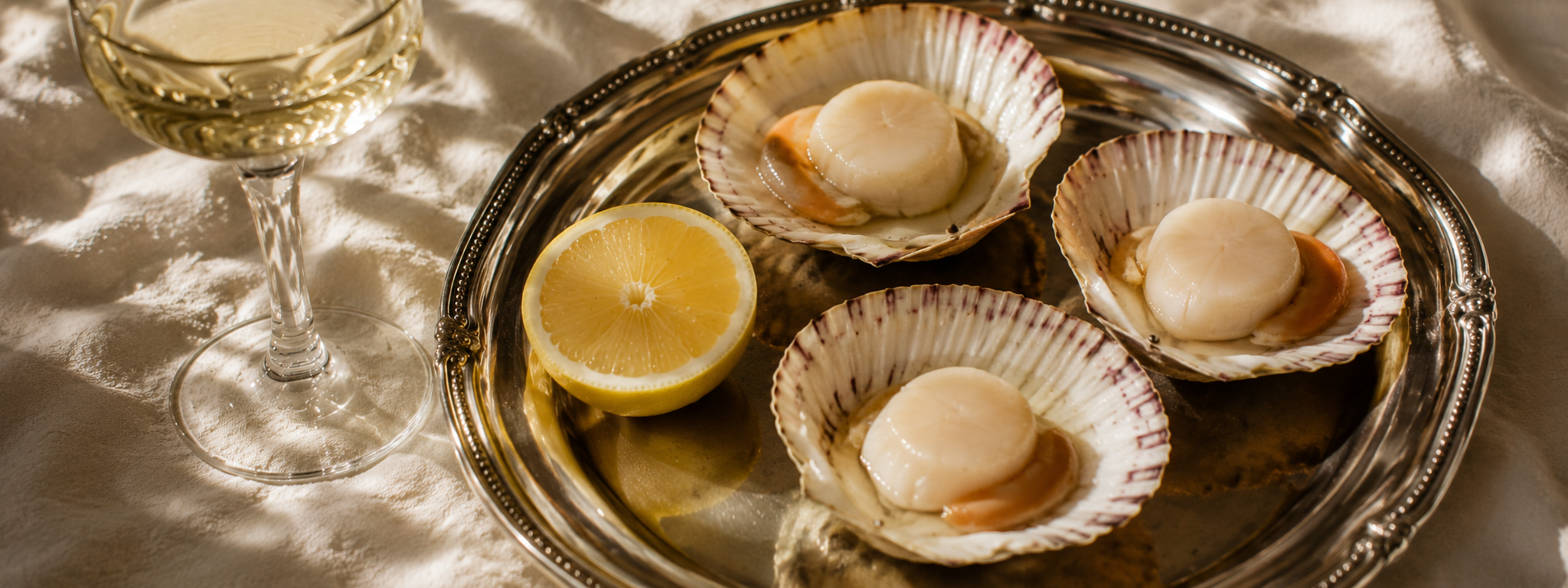
Scallop – Simple Fast Food That Needs No Complex Techniques
Scallop is one of those seafoods surrounded by unwarranted reverence. It is considered “fancy”, as…
January 14, 2026

20 Points on How to Identify High-Quality Caviar
The taste and texture of caviar are a direct reflection of the growing environment. When…
January 14, 2026
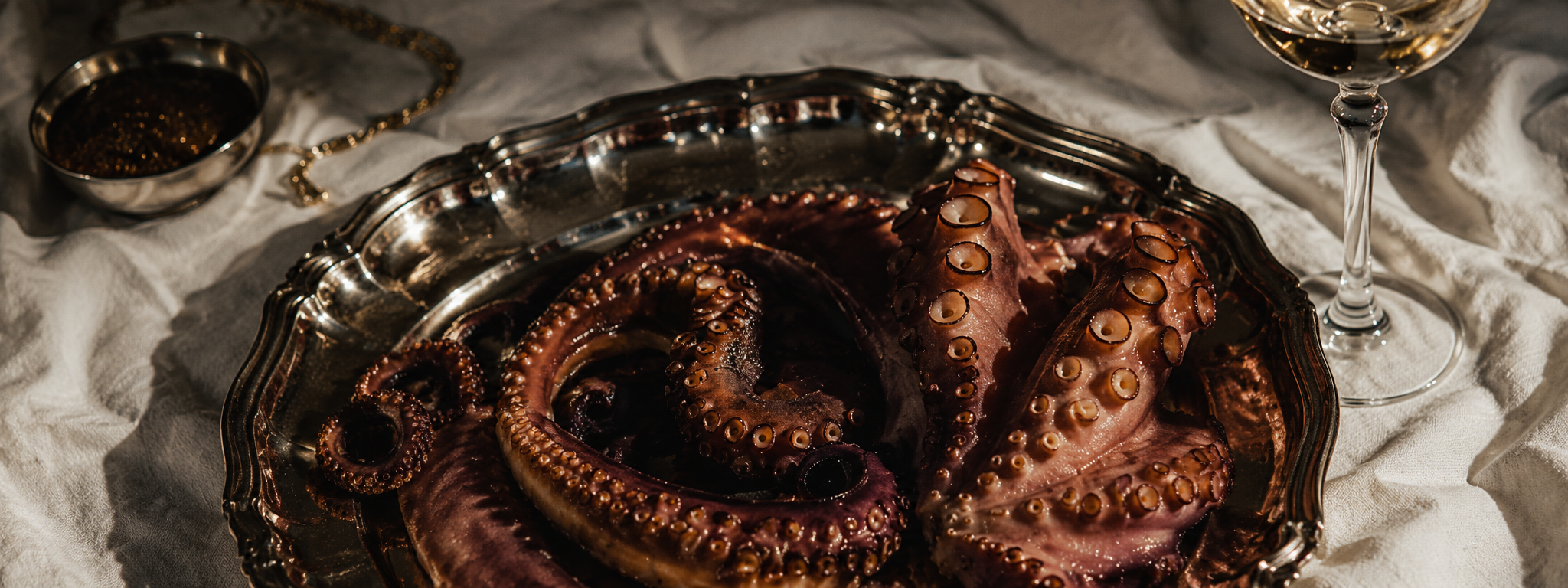
How to Identify High-Quality Octopus
Octopus is a seafood that creates many conflicting experiences. Some consider it a delicacy –…
January 14, 2026