How to Identify High-Quality Octopus
January 14, 2026
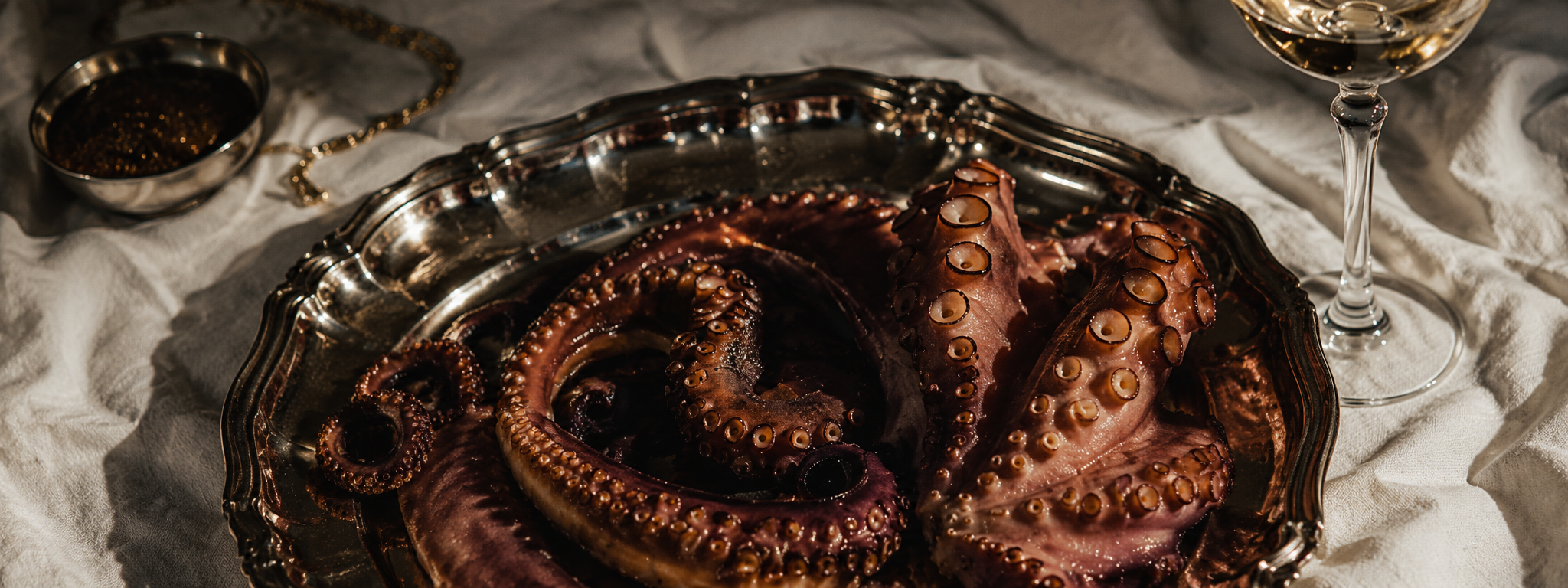
Octopus is a seafood that creates many conflicting experiences. Some consider it a delicacy – juicy and flavourful – while others remember a rubbery texture and taste that does not justify the effort. Usually, the problem is not in the preparation. The problem is in the raw ingredient and how the octopus has been treated before reaching your kitchen.
Below are the key points for distinguishing truly quality octopus from ordinary.
Why Not All Octopuses Are the Same
Octopus is one of the most intelligent animals in the ocean and also has very unique muscle tissue. Its muscle responds strongly to both the growing environment and processing. A small difference at the beginning makes a large difference on the plate.
When octopus grows in a suitable environment and is processed correctly, it remains juicy and soft when cooked. If not, it becomes rubbery and dry.
Growing Environment Determines Quality
The starting point for quality octopus is the growing environment. The best conditions are in a clean and species-rich ocean, away from intensive habitation.
The octopus used as raw material for Kawiare’s cooked octopus comes from Morocco’s western coast, from fishing boats landing at the Dakhla port. This region is internationally recognised as one of the best octopus fishing areas in the world. The cold and clean water of the Atlantic Ocean, the low coastal load and the natural species diversity for octopus create a stable environment where the animal grows slowly and in balance. In such conditions, muscle tissue becomes dense and retains its natural juiciness better when heated.
Texture: The Difference Between Good and Poor Octopus
Good octopus loses little liquid when cooked. This is the most important quality indicator. When liquid stays in the meat:
- minerals are retained
- flavour does not become bland
- texture remains soft, not springy
Poor quality octopus loses a lot of water when heated. Along with the water, flavour and structure disappear, resulting in a rubbery mouthfeel.
Processing That Store Shelves Don’t Mention
Many octopuses sold in stores have been processed with water-binding agents. The aim is to let the meat bind more water so the product is heavier and looks visually better. The problem becomes apparent during cooking. All this added water comes out. The result is dry meat, poor flavour and uneven texture. Truly good octopus needs no such processing. When the raw material is quality, the meat retains its liquid by itself.
What Naturally Cooked Octopus Means
For quality octopus, everything starts with unprocessed raw material. The octopus arrives in the kitchen in natural form, without additives and prior chemical processes. It is not “fixed”, but prepared.
The process is simple and precise:
- octopus is cleaned by hand
- tentacles are separated if necessary
- raw material is placed in a vacuum bag without additives
- cooking is done slowly at low temperature
- hot steam is used, following the sous vide principle
No seasoning is added. Quality octopus in its natural complexity is so rich in flavour that it needs no seasoning – all the flavour is already hidden in the raw ingredient itself.
When cooking is complete, the octopus is flash-frozen in the same bag it was cooked in. This way, all the natural liquid remains in the package. This liquid is flavourful and usable, not something to be poured away.
Why Pre-Cooked Octopus May Be Better Than Raw
Many markets sell small raw octopuses. Larger and higher-quality octopus often reaches consumers already cooked, and there is a clear reason for this. Pre-cooked octopus provides a stable result and requires no long preparation or special techniques. When properly processed, it retains its texture and flavour and is ready for use without excessive intervention. This is not a compromise, but a conscious choice.
How to Recognise the Right Octopus
Truly good octopus is recognised not by size or country of origin name, but by how it behaves under heat. If the texture remains soft, liquid stays in the meat and flavour is clear, the raw material has been right from the start.
Following these principles makes it possible to have an octopus that is ready for use without further improvement. At Kawiare, we work with precisely this kind of raw material.
Want to learn more?
Explore articles about seafood origins, sustainable fishing, science, and longevity. Deepen your understanding of the ocean's treasures.
20 Points on How to Identify High-Quality Caviar
The taste and texture of caviar are a direct reflection of the growing environment. When…
January 14, 2026
Caviar Today: Why Growing Environment Determines Quality
Caviar is a product about which many misconceptions still circulate that no longer correspond to…
January 14, 2026
Perch and Pike-perch. Two Baltic Lake Fish Whose Value Deserves Reconsideration
Baltic lake perch and pikeperch are caught here, but a large portion of this fish…
January 14, 2026