Caviar Today
January 14, 2026
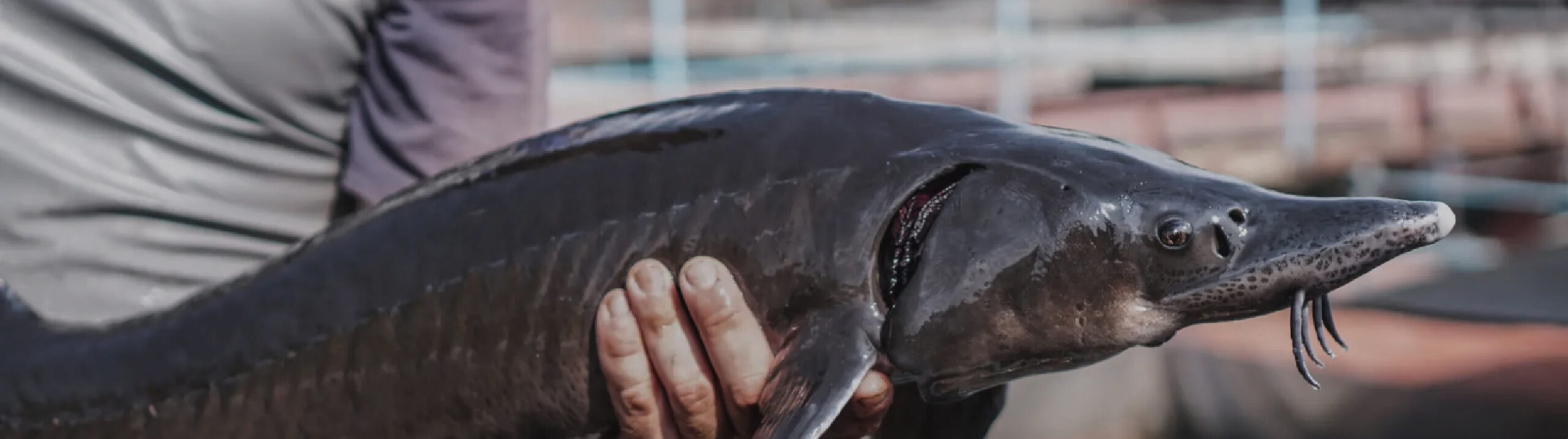
Caviar is a product about which many misconceptions still circulate that no longer correspond to today’s reality. One of the most significant is the notion that quality caviar only comes from nature. In reality, all caviar consumed today is farmed in specialised aquaculture facilities. Wild sturgeon populations have practically disappeared due to historical overfishing, and responsible farming is the only way caviar can be produced at all.
Therefore, with today’s caviar, the most important question is not whether it is farmed, but how it is farmed.
Why Growing Environment is the Foundation of Caviar Quality
Sturgeon is a long-lived fish whose organism responds strongly to its surrounding environment. Water quality, mineral composition, temperature and stability directly affect the quality of the fish’s flesh. Caviar is the most concentrated result of all this.
Everything the fish absorbs in its growing environment is transferred in amplified and concentrated form to the roe.
Therefore, clean water alone is not enough for caviar. The growing environment must be as close to natural as possible, not merely compliant with all food safety standards.
A natural-like environment means:
- stable and clean water circulation
- mineral balance
- biologically logical conditions for the species
These are precisely the factors that determine whether caviar is balanced, melts in the mouth and has a clean taste, or is technical and one-dimensional.
Italian Growing Environment and Water Logic
Kawiare caviar comes from Italy, from a region where the advantages of the growing environment are clearly perceptible. The farm is located in a national park at the foot of the Alps. The main growing environment is Alpine spring water, which is naturally pure and of stable composition.
Additionally, Po River water is used to a controlled extent. The Po River is historically one of the sturgeon spawning rivers. Even sturgeon that live in the sea move to rivers in nature to spawn. The partial use of such water creates a biologically familiar and logical environment for the fish.
Combining spring water and river water is not a marketing trick, but a conscious choice that supports the fish’s natural development as much as today’s environmental requirements allow.
Traditional Production Method and Craftsmanship
Caviar production follows a traditional method that has proven its value over time. This is craftsmanship where processes are not accelerated or automated in ways that would affect the quality of the final result.
The traditional production method ensures uniform and healthy eggs, clean and clear taste, and a melt-in-mouth texture.
This is neither fast nor mass production, but a slow and controlled process that, depending on the sturgeon species, can take over ten years. Long-term sturgeon welfare and caviar quality are the goal, not a by-product.
Responsibility and Repopulation
Today’s caviar production cannot exist without responsibility to nature. Sturgeon have been practically fished out of nature, which is precisely why it is important that farming is not just production.
Kawiare caviar comes from a farm that, in addition to producing caviar for sale, also strives to repopulate natural sturgeon populations. Some of the farmed sturgeon are released back into the wild, with the aim of supporting the recovery of historical populations. This is especially important for the Adriatic sturgeon, which is the most authentic Italian sturgeon species.
This approach means that caviar is not created at nature’s expense, but together with a conscious contribution to its restoration.
Types of Caviar and Their Characteristics
The caviars in the Kawiare selection differ from each other primarily in egg size, flavour intensity and species-specific distinctive flavours.
Oscietra – Medium-sized eggs. Colour varies from dark black to bronze brown. The taste is species-specifically nutty and creamy, texture melt-in-mouth.
Siberian – Smaller than medium, dark black eggs with an intense and more mineral taste. The production cycle is shorter, which is why it is also one of the most common caviar varieties.
Traditional – Larger than medium eggs, soft and less intense in flavour. Suits well those who prefer a milder and more neutral profile without losing the specific umami caviar taste.
How to Distinguish Quality Caviar
The taste and texture of caviar are a direct reflection of the growing environment. When water, time and processing are in balance, nothing needs to be added or emphasised. Good caviar is the logical result of the right choices.
Read also: 20 Points on How to Identify Quality Caviar
Want to learn more?
Explore articles about seafood origins, sustainable fishing, science, and longevity. Deepen your understanding of the ocean's treasures.
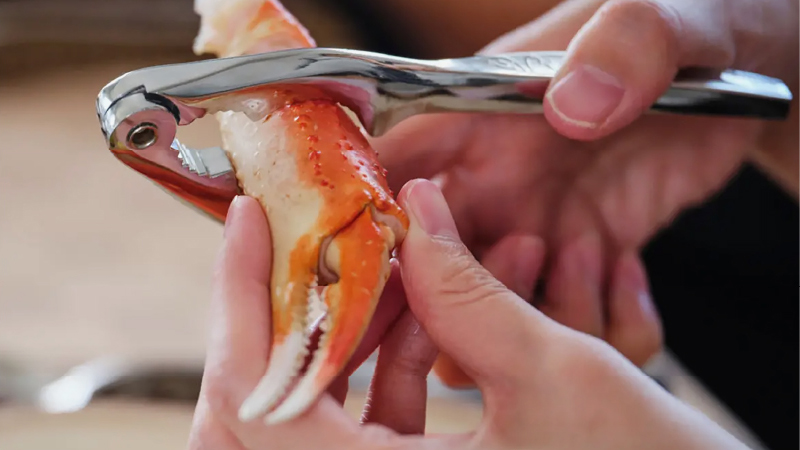
Snow Crab is a Healthy, Sustainable and Delicately Flavoured Delicacy
Snow crab is a true world traveller, finding its way into traditional Japanese dishes as…
January 14, 2026
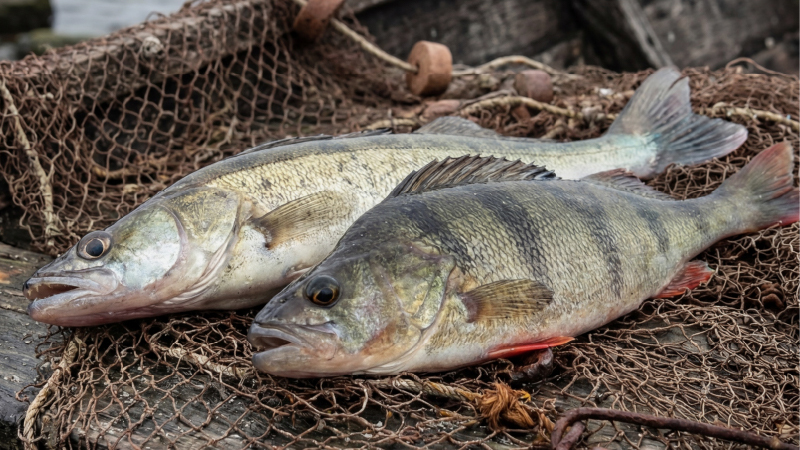
Perch and Pike-perch. Two Baltic Lake Fish Whose Value Deserves Reconsideration
Baltic lake perch and pikeperch are caught here, but a large portion of this fish…
January 14, 2026
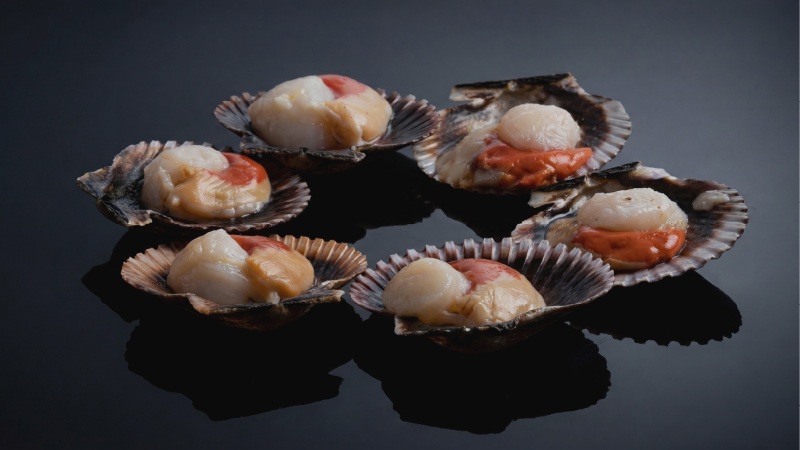
Scallop – Simple Fast Food That Needs No Complex Techniques
Scallop is one of those seafoods surrounded by unwarranted reverence. It is considered “fancy”, as…
January 14, 2026