Liigu põhisisu juurde

Scallop – Simple Fast Food That Needs No Complex Techniques

Scallop is one of those seafoods surrounded by unwarranted reverence. It is considered “fancy”, as if it always requires a restaurant, skills and complex recipes. In reality, scallop is one of the fastest and simplest seafoods to use, especially when already shelled and properly prepared.

Scallop is not a complicated culinary project. It is fast food in the best sense.

What is Scallop and Why is it Valued

Scallop is a bivalve mollusc valued primarily for its delicate texture and natural sweetness. Good scallop needs little seasoning or processing. It is an independent ingredient.

This very simplicity is why scallop is valued in professional kitchens – and why it actually suits home use very well too.

Origin and Seasonality

Quality scallop comes from cold and clean waters, where growth is slow. Slow growth means denser meat and clearer flavour. Quickly farmed or improperly processed scallop is watery and neutral.

That is why origin and processing are valued more than the recipe when it comes to scallop. When these two are right, everything else works by itself.

Why Scallop is Quick and Easy Food

Scallop’s great advantage is that it cooks very quickly. Overcooking is the only thing to avoid.

Typical cooking time is:

  • pan: 1–2 minutes per side
  • oven: 6–10 minutes
  • grill: a few minutes at high heat

This makes scallop an ideal choice for situations where you want to eat well but do not want to spend time in the kitchen.

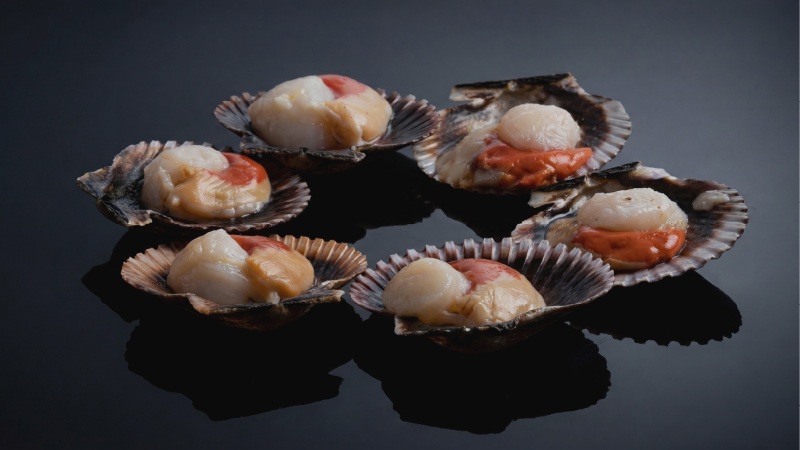
Scallop on Shell – Why This is Practical

When scallop is served on its shell, there are several advantages at once:

  • the shell acts as a natural serving base
  • the portion is already set
  • liquid and flavours stay in the shell
  • serving is simple and clean

Scallop on shell suits both quick dinners and sharing. Nothing needs to be moved around or decorated. The shell does the work.

Simple Serving Methods

Scallop’s strength is that it can be eaten in very different ways without losing the ingredient.
Hot, straight from oven or pan – A little butter or olive oil, salt. Nothing more is needed.

Lightly gratinéed – A thin layer of breadcrumbs, a little fat, quick heat. Creates contrast in texture.

Cold or lukewarm – Especially convenient when the scallop has been prepared beforehand. Suits summer menus well.

For sharing at the table – Appetizer on shell, everyone takes their own. No plates or complex serving needed.

All these variations work precisely because the scallop itself carries the flavour.

Why Scallop Fits Today’s Food Culture

Scallop embodies today’s food philosophy well. It is not a demonstration or show ingredient. It is quick, nutritious and quality.

This is fast food in its original meaning. Not junk food, but quickly prepared good food.

Scallop is an Excellent Choice Nutritionally

Scallop is:

  • high in protein
  • low in fat
  • easily digestible

Additionally, it contains essential minerals and micronutrients that support overall wellbeing. This makes scallop a good choice for both light dinners and after physical exertion. Scallop is an ingredient that gives the body much without burdening digestion. It suits moments well where food should support the day’s rhythm, not slow it down.

Scallop in Everyday Kitchen

Scallop is not a “special occasion” food. It suits everyday precisely because it is quick, clear and predictable. When the ingredient is quality and properly handled, no recipes or instructions are needed. Heat, time and minimal intervention are enough.

Scallop is an example that good food does not have to be complicated. It has to be well chosen.
Caviar Without the Myths

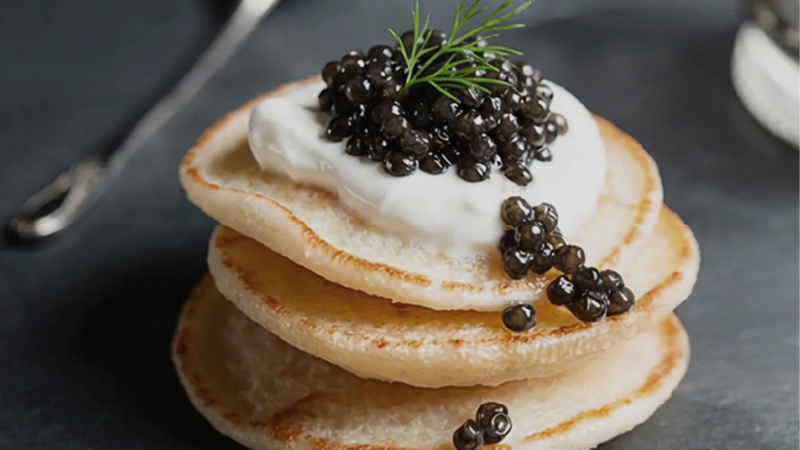
Caviar is often treated as a luxury product or a festive table element. At the same time, its most practical quality is overlooked: caviar is one of the most nutrient-dense natural foods that humans can consume.

If we strip away the status symbol image from caviar, what remains is a nutritional powerhouse: a small amount delivers many valuable nutrients that the body absorbs well.

Caviar Before the Festive Table

The history of caviar does not begin with silver spoons and festive tables. Historically, fish roe was a practical food in regions where fish was caught and preserved daily. Along the Caspian Sea and major rivers, caviar was not treated as a delicacy but as part of everyday food. It was easily preserved, full of nutrients, and a small amount provided energy – making it well suited to periods of work and travel.

The value of caviar did not lie in its rarity but in its density. A small amount gave the body much and required no complex preparation. This is precisely what made fish roe a logical food for people whose lives were physically or mentally demanding.

The status-related image of caviar is historically relatively new. It only emerged when natural availability decreased and food became a status marker. The food itself did not change. What changed was the context in which it began to be consumed and interpreted.

Caviar as Concentrated Food

Caviar is a fish egg. This means that everything needed for new life to begin is concentrated there in high amounts. The egg is biologically one of the most “complete” structures in nature, because it must contain everything without which development cannot begin.

This is precisely what makes caviar a food that resembles a supplement in its logic. The difference is that it is not laboratory-isolated substances, but a natural whole that is easily absorbed by the body.

The egg contains:

  • high-quality, easily digestible protein
  • omega-3 fatty acids (EPA and DHA)
  • B-group vitamins
  • vitamins A, D and E
  • minerals such as selenium, phosphorus and iron

Importantly, these nutrients occur together in caviar, not separately. It is precisely this combination that supports their absorption and balanced effect on the body.

A Small Amount, Real Impact

Caviar is eaten in small quantities. About 10–15 grams does not burden digestion nor cause blood sugar fluctuations, but provides the body with quickly usable fatty acids and micronutrients. This amount is sufficient to support the nervous system and cellular energy without causing heaviness.

Most foods have lost their natural portion size over time. Sociologically, this is an interesting phenomenon. Caviar is one of the few foods whose consumption has not lost contact with the body. It is not eaten to fill the stomach or out of boredom. It is eaten consciously, slowly and in small amounts. Not for the sake of etiquette, but because the body does not ask for more.

This makes caviar the antithesis of today’s food culture, where quantity is often disconnected from need. Caviar remains a food where the portion is not a social construct but a biological agreement.

Omega-3 Fatty Acids Without a Capsule

One of the most common supplements is the omega-3 capsule. Caviar offers the same source of fatty acids in natural form. In natural food, fatty acids are bound to phospholipids, which makes their use more intuitive for the body. The difference is that a capsule is isolated fat, while caviar is a complete food where fatty acids are linked to a natural fat profile and accompanied by vitamins that support absorption. Therefore, the effect is gentler and more logical for the body.

Why Caviar is Not “Too Fatty”

One of the most common myths is that caviar is heavy or too fatty food. This impression often comes from the word “fat” itself, not from how caviar actually works in the body. Caviar is eaten in small quantities and the fats it contains are part of the natural composition of fish roe, not a processed or isolated fraction. Therefore, caviar does not behave during digestion the same way as heavy fatty foods with which it is often compared.

If caviar feels “heavy”, the reason is usually what it is eaten with, or the way of eating, not the caviar itself.

Caviar and the Brain

The fatty acids and B vitamins found in caviar support the nervous system and brain activity in a way that suits mentally demanding periods. These nutrients are directly related to the construction of nerve cell membranes and signal transmission.

This provides stable support for the body, helping to maintain focus and keep fatigue in balance. Caviar suits days where concentration is important, many decisions need to be made and the mental workload is high. Also periods where recovery and caring for the nervous system are as important as work itself.

The Story Caviar Does Not Need

Today’s food culture largely relies on stories. Promises, functional claims and trends give food meaning that it does not carry alone. Many “superfoods” need a narrative to justify their place at the everyday table.

Caviar is outside this logic. It has worked for thousands of years without explanations, campaigns and promises. People did not start eating fish roe because someone positioned it, but because it worked. A small amount nourished, sustained and gave the body what it needed at that moment.

Snow Crab is a Healthy, Sustainable and Delicately Flavoured Delicacy

Snow crab is a true world traveller, finding its way into traditional Japanese dishes as well as Scandinavian-style creamy soups. It is highly prized in the fine dining world, where its sweetness and silky texture allow for unique culinary experiences.

In a home setting, snow crab can transform any dinner into a festive occasion, where the right presentation style, suitable wines or cocktails, and creative ideas bring out the best qualities of this seafood. It is no wonder that snow crab is the undisputed favourite of many food enthusiasts – it is a luxury that is accessible in any kitchen when you choose quality ingredients and prepare them with care and love.

What is Snow Crab and Where Does It Come From?

Snow crab belongs to the genus Chionoecetes, and its habitats are primarily the cold northern sea regions, such as the North Atlantic and North Pacific. Snow crab is characterised by its slightly sweet and delicate meat with a white-toned flesh that
resembles fresh snow in texture – hence the name.

How to Identify Quality Snow Crab?

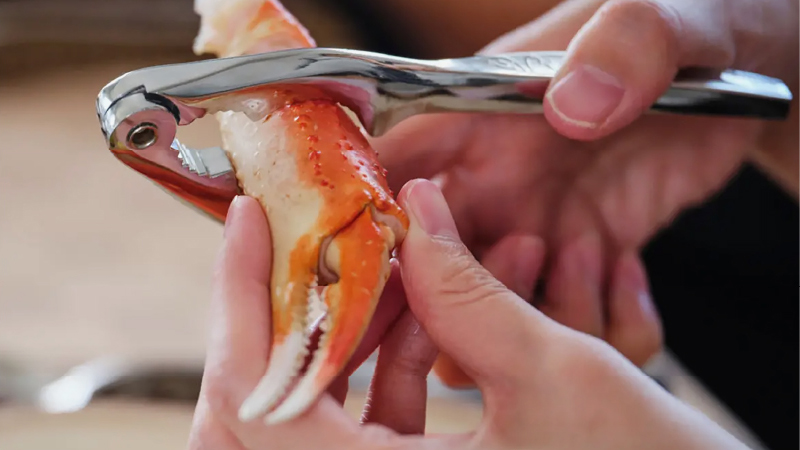
Colour and shell – Quality crab legs have a uniform outer shell colour, usually light or orangish. Dull, stained or unusually pale legs may indicate excessive processing or prolonged storage.

Meat consistency – Proper snow crab meat is dense and firm, yet soft in the mouth. If the meat feels “rubbery” or too dry, it may indicate overcooking or poor quality.

Smell – Fresh snow crab has a light ocean scent but should not smell unpleasantly “fishy” or “stale” – such odours indicate degraded quality.

Frozen vs fresh snow crab – what is the difference?

Fresh snow crab is primarily available directly during fishing season and is ideal for those living near fishing or processing locations.

Frozen snow crab is usually caught, cooked and flash-frozen at sea, ensuring maximum freshness and quality preservation. The frozen variant is easy to transport and maintains its nutritional value and taste over longer periods. Many seafood lovers actually prefer flash-frozen crab, as it avoids the risk of fresh crab sitting too long in the supply chain.

Is Snow Crab a Sustainable Choice?

Generally, the snow crab population is not considered endangered, but due to climate change and rising water temperatures, fishing companies and researchers remain vigilant to manage stocks sustainably. Regulated fishing and science-based research help ensure that snow crab populations can recover and remain stable in the future.

What responsible choices can consumers make?

Be aware of fishing time and region – Prefer products that clearly show the fishing region and where sustainable fishing rights are guaranteed.

Order exactly the amount you need – Reduce food waste by purchasing only as much as you actually need at one time.

Why Snow Crab is the Ideal Choice for Health-Conscious People

A low-calorie, high-protein superfood

Snow crab is an excellent source of protein and contains fewer calories and fat compared to many other meats. This makes snow crab a delightful yet easily digestible component of a healthy menu.

Omega-3 fatty acids and their effects on the brain and heart

Seafood, including snow crab, contains abundant omega-3 fatty acids, which are known for their beneficial effects on the cardiovascular system and brain function. Regular consumption of omega-3 fatty acids is associated with lowering blood pressure, reducing inflammatory processes and improving brain activity.

How snow crab fits into fitness nutrition

  • High protein content supports muscle recovery and growth after training.
  • Healthy seafood like snow crab provides vitamins and minerals (B12, zinc, selenium) that support the immune system and cell renewal.
  • Quality nutrients, vitamins and minerals that are easily absorbed by the body make snow crab a truly functional food.
  • Thanks to its protein content, snow crab helps keep you fuller for longer, reducing the risk of overeating.

Snow Crab in Everyday Cooking

Snow crab is a true seafood pearl. It is a rich source of vitamins, minerals and complete protein. It is equally suited for preparing gourmet dishes as well as simple but nutritious everyday recipes. Sustainably caught and properly frozen snow crab ensures both environmental care and a taste experience that delights every seafood lover.

If you are interested in adding snow crab to your menu, be sure to research the product’s origin and choose quality-processed frozen snow crab. This way you can enjoy this luxurious yet healthy seafood at any time, regardless of the season.